

Medical & Security Assistance in Venezuela
Specialist Rescue Group
Venezuela Operations and Crisis Response Services
Built for operations where failure is not an option. As international organisations re enter Venezuela, the operating environment remains volatile, with elevated security threats, limited medical infrastructure, political sensitivity and unpredictable escalation.
Specialist Rescue Group provides real world operational capability for organisations operating in Venezuela. We deliver medical, security and crisis response services designed for environments where conventional providers cannot operate or cannot respond fast enough.
Specialist Rescue Group capability in Venezuela
Six capability pillars designed to move you from entry readiness to real time crisis control.
Market Entry and Operational Readiness
For organisations entering or resuming operations, we prepare teams to operate safely and decisively through structured readiness and contingency planning.
- Country, city and site specific threat assessments
- Secure movement and journey management planning
- Airport arrival and departure risk mitigation
- Secure accommodation and location vetting
- Emergency response and extraction planning
- Crisis escalation frameworks and decision authority mapping
- Leadership crisis scenario exercises
Crisis Response and Incident Management
We operate as a crisis response partner capable of managing security, medical and hostile incidents in real time.
- Kidnap, detention and wrongful arrest response support
- Civil unrest and violent incident management
- Serious injury and life threatening medical incident response
- Secure recovery of personnel from hostile locations
- Family, employer and stakeholder liaison
- Incident command and documentation
Medical Evacuation and Complex Extraction
When in country treatment is insufficient, we manage complex evacuations under challenging conditions.
- Clinical assessment and evacuation decision making
- Ground and air extraction under security constraints
- Fixed wing and rotary evacuation coordination
- Alternate routing and contingency planning
- Transfer to regional or international centres of care
- Coordination with insurers, embassies and receiving facilities
High Risk Movement and Protective Operations
Discreet and robust protection for executives, technical specialists and sensitive movements.
- Close protection teams and secure drivers
- Advance reconnaissance and route assessment
- Secure airport transfers and convoy operations
- Protection for executive delegations and site visits
- Emergency extraction readiness
Projects and Remote Site Support
Support for remote and austere operations where response timelines are critical, including energy, infrastructure and industrial projects.
- On site medical staff and emergency care capability
- Emergency response planning and drills
- Mass casualty and evacuation planning
- Workforce induction and hostile environment preparation
- Incident response leadership during major events
Insurance and Litigation Sensitive Response
We understand the insurance, legal and reputational implications of incidents in Venezuela and deliver response actions that stand up to scrutiny.
- Insurer aligned response and reporting
- Evidence preservation and incident documentation
- Liaison with insurers, legal counsel and crisis advisors
- Cost controlled response delivery
- Defensible decision making under investigation
Why Specialist Rescue Group
Operational capability designed for volatile environments and time critical decisions.
What sets us apart
- Proven hostile environment experience
- Integrated medical and security command
- Rapid deployment capability
- Discreet, professional and accountable operations
- Trusted by insurers, governments and global organisations
Who we support
- Energy and infrastructure operators
- Engineering and industrial contractors
- Shipping and logistics organisations
- Media and high profile individuals
- NGOs and humanitarian organisations
- Insurers and crisis response partners
- UHNW individuals and family offices
Operating in Venezuela
If you are sending people into Venezuela, you need more than advice. You need the capability to respond when conditions deteriorate. Specialist Rescue Group delivers the difference between escalation and control.
Contact our operations team





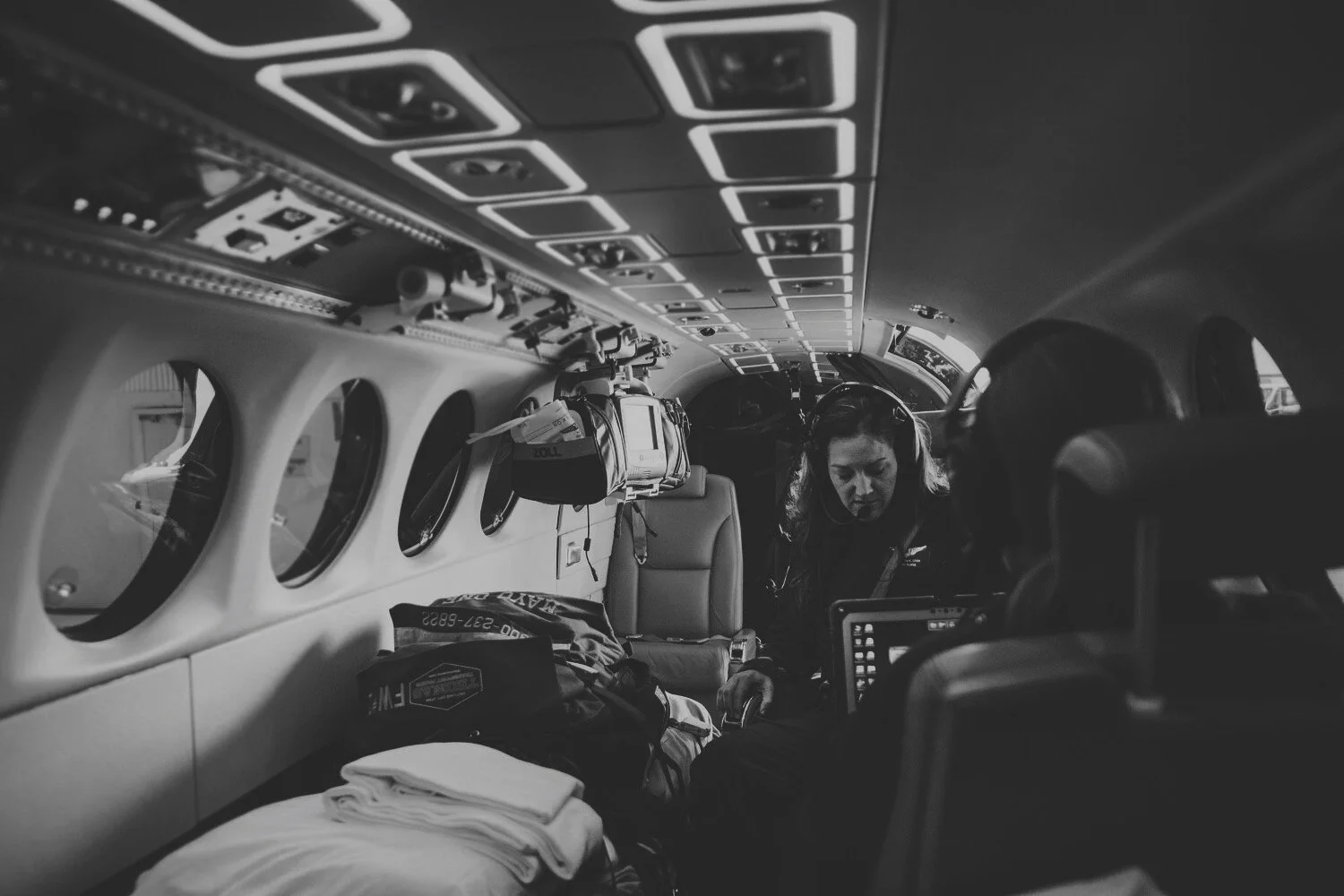
Worldwide Air Ambulance | Clinical Excellence in Austere & Remote Environments


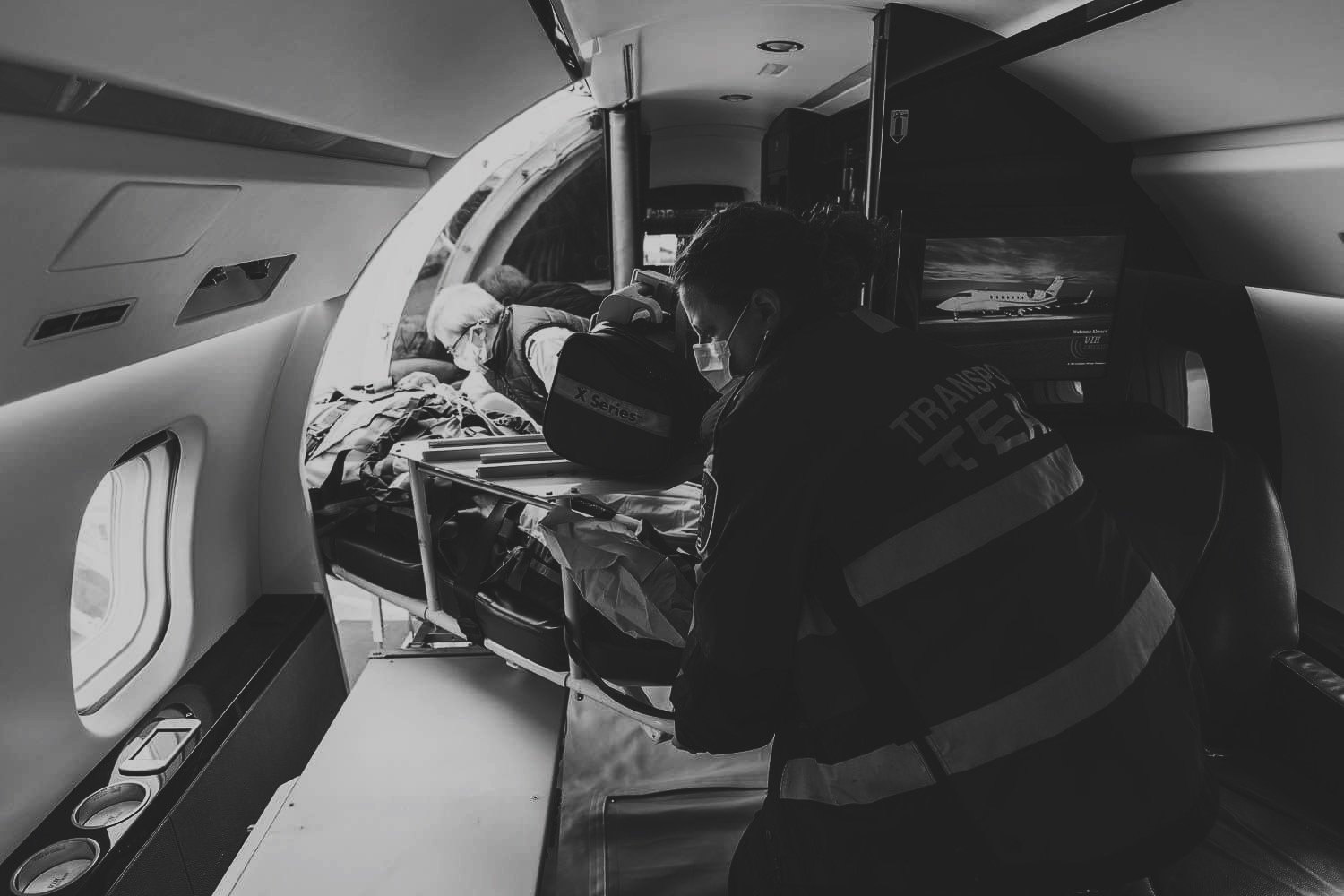
Providing our clients with 24/7 Comprehensive Medical & Security Assistance, anywhere in the world.
Medical Support & Evacuation
-
Offering medical care in areas where healthcare infrastructure is minimal or non-existent. Teams typically include paramedics or physicians trained in wilderness medicine, trauma care, and emergency response.
-
Providing casualty evacuation (CASEVAC) or medical evacuation (MEDEVAC) for critically injured or ill personnel.
-
Using technology to provide real-time medical advice or diagnosis when on-the-ground medical personnel may need additional expertise.

Security & Crisis Response
-
Offering security services for personnel and assets in regions prone to political instability, insurgencies, or other security threats, including on the ground protection and surveillance.
-
Providing specialist services in conflict or post-conflict zones where there are heightened risks to safety. These teams are trained to operate under hostile conditions and can assist with extraction or rescue of individuals in danger.

Disaster Response & Humanitarian Aid Support
-
Assisting organisations with rapid response during natural disasters like earthquakes, floods, or wildfires in remote regions, where immediate intervention is necessary to save lives and provide aid.
-
Supporting humanitarian missions by ensuring the safe and efficient delivery of food, medical supplies, and other resources to isolated or underserved communities.

Global Top-side Medical Cover for Clients working in Remote & Challenging Locations.
Remote locations often lack immediate access to healthcare facilities. In case of medical emergencies such as accidents, injuries, or sudden illnesses, having access to remote medical advice can mean the difference between life and death. Our medical professionals can provide guidance on how to stabilise a patient's condition until local help arrives. From the first point of contact, our clients are led by experts to save lives, alleviate suffering and promote recovery.

“Remote locations often lack immediate access to healthcare facilities. In case of medical emergencies such as accidents, injuries, or sudden illnesses, having access to remote medical advice can mean the difference between life and death. Medical professionals can provide guidance on how to stabilise a patient's condition until further help arrives.”

Decades of experience from around the world.
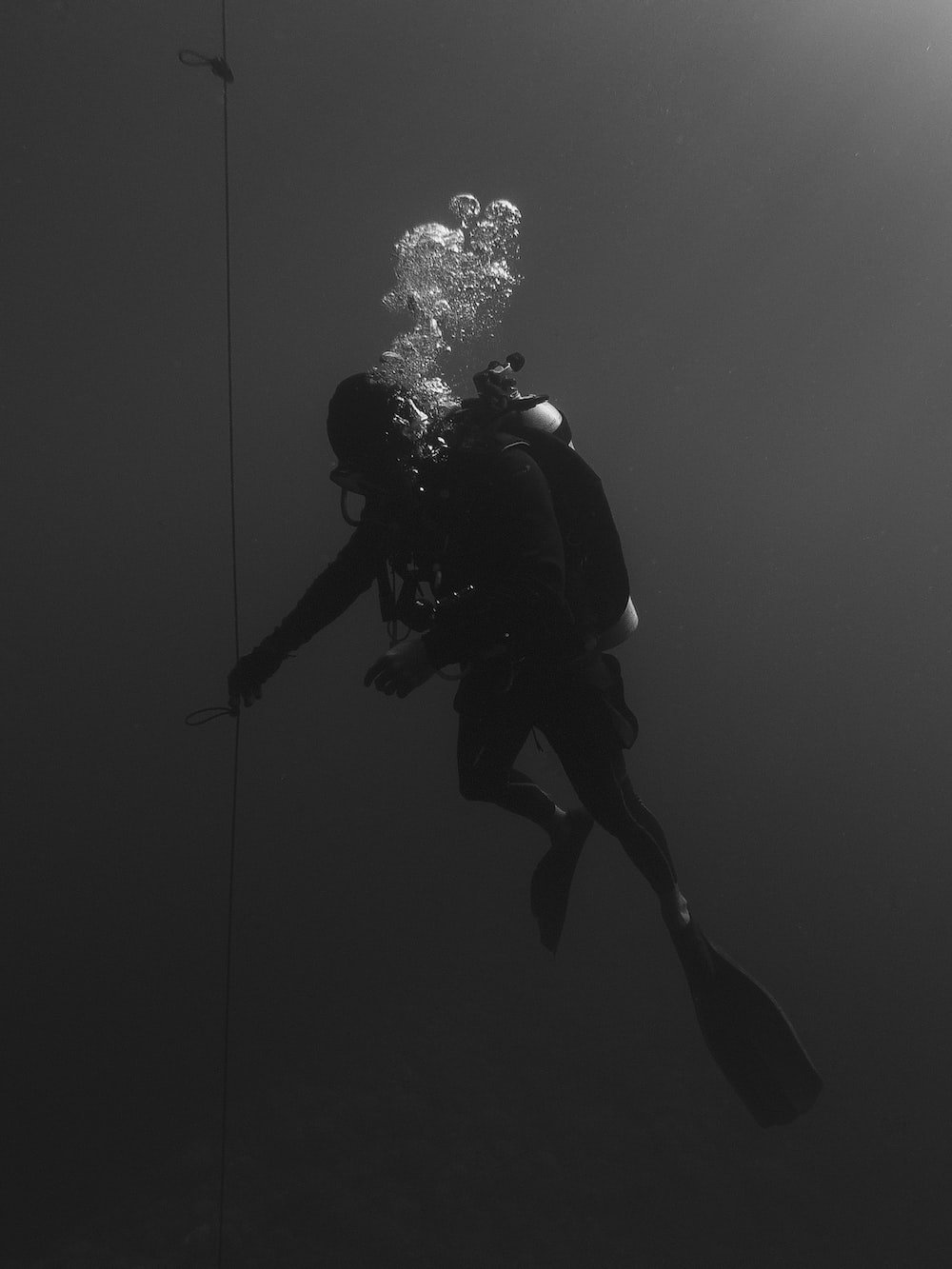

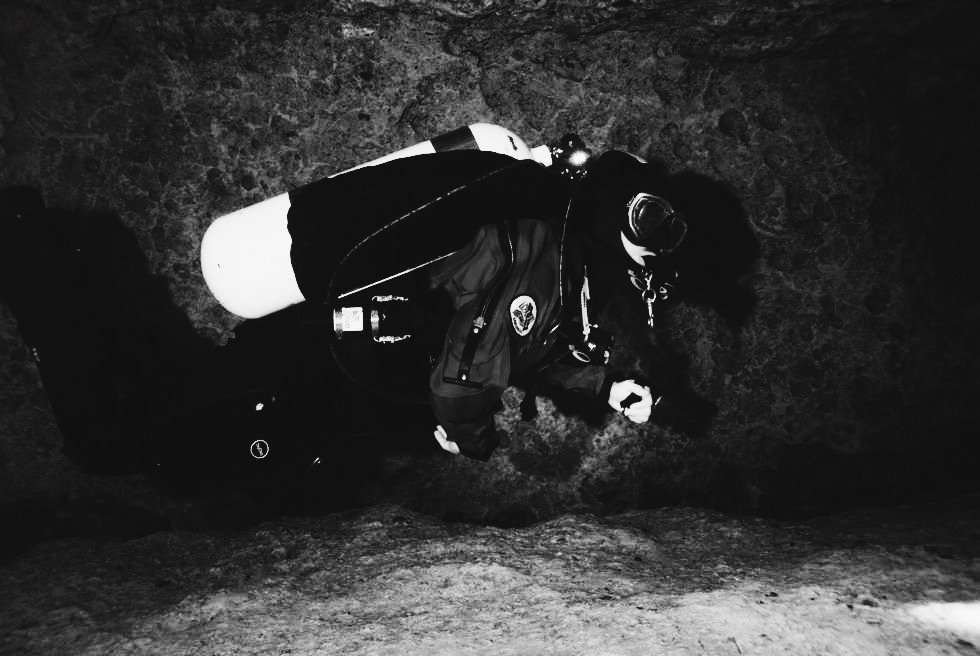
Providing the most advanced intensive care-equipped air ambulances, anywhere in the world.
Specialist Rescue Group’s medical assistance services offer the most advanced intensive care-equipped air ambulances for the most critical of patients. We have a history of completing high-risk movements with the highest standards of expertise, anywhere in the world.


Supporting organisations with their mission in austere and remote environments.
Ensuring the safety, success, and sustainability of missions undertaken in remote and austere environments. Through our expertise, training, and state-of-the-art equipment, we enable organisations to operate efficiently and securely in some of the world’s most challenging locations.
-
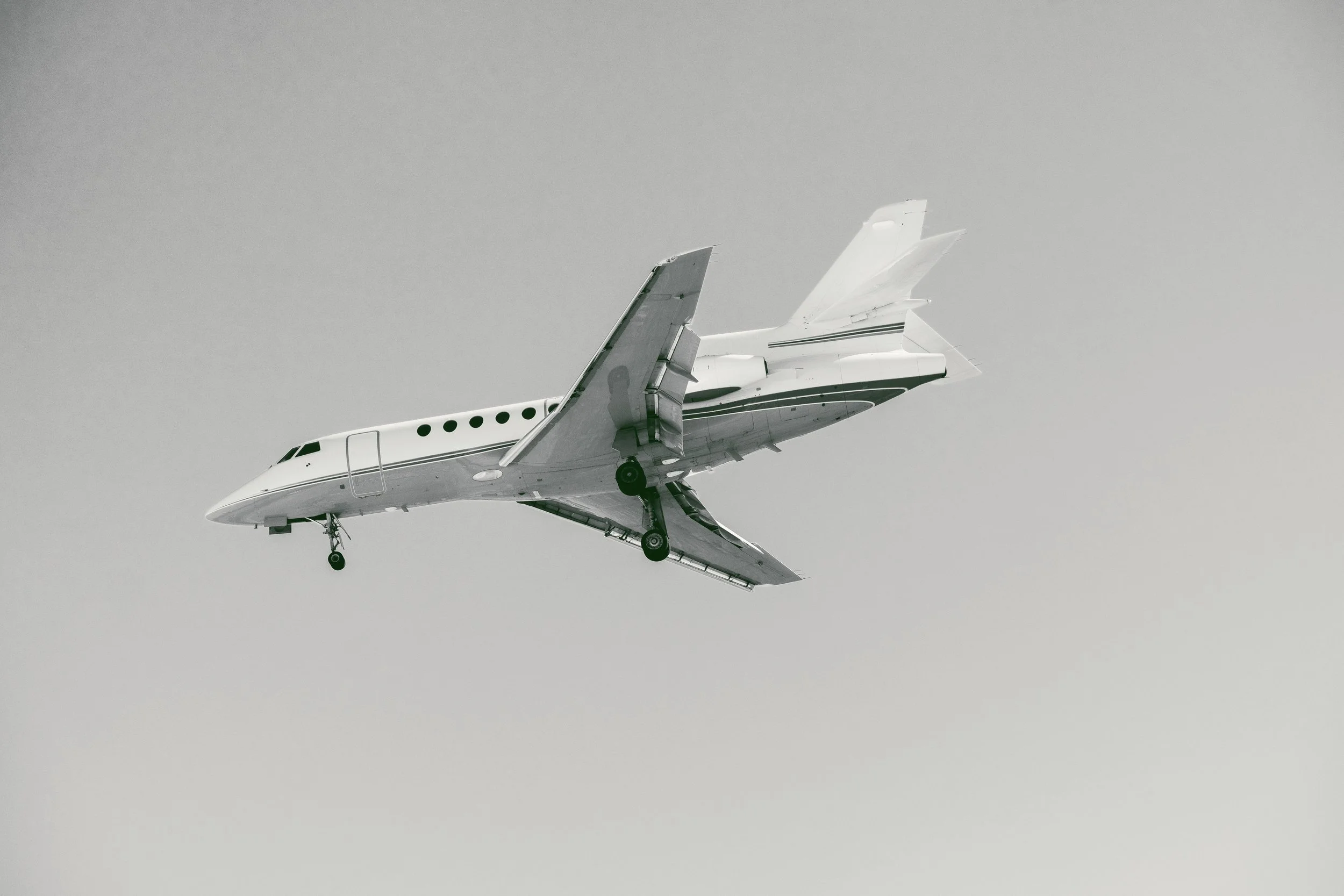
When Every Second Counts: The Role of Air Ambulance in Global Repatriation
Air ambulance repatriation refers to the process of transporting an ill or injured person from one country back to their home country (or another safe location) via specially equipped aircraft, often staffed with medical personnel capable of providing intensive care in transit. Unlike standard commercial flights or even ground ambulance transport, air ambulances are designed to manage critical conditions—providing life support, monitoring, and interventions as needed while in the air. These services are essential in cases where local medical facilities are insufficient, where transport times would be prohibitive over land or sea, or when delays could cost lives. For example, fixed-wing air ambulances allow for long-distance transfers, across continents, often bringing patients from remote hospitals without ICUs or specialist care to advanced treatment centers. Rotor-wing (helicopter) ambulances are more suited for short-range rescue or to access difficult terrain. Read more.
-

Rescue in the Sahara: Extraction Challenges in Extreme Terrain
The Sahara Desert stretches across North Africa as the largest hot desert in the world, a vast expanse of sand dunes, rocky plateaus, salt flats, and mountain ranges that spans nearly 9 million square kilometers. For travelers, aid workers, researchers, and locals alike, it is an environment of stunning beauty but also unforgiving danger. When emergencies occur here, whether from vehicle breakdowns, heatstroke, injury, illness, or security threats, the process of extraction becomes one of the most difficult challenges faced by rescue professionals. The Sahara is not simply a desert; it is an arena where extreme terrain, harsh climate, logistical barriers, and human vulnerability collide. Planning and executing a rescue in this environment requires extraordinary levels of preparation, resilience, and coordination. Read more.
-

Inside the World of Kidnap for Ransom Negotiations
Kidnap for ransom is one of the most complex and dangerous crises an individual, a family, or an organization can face. It sits at the intersection of crime, psychology, geopolitics, and human suffering, demanding skills that go far beyond ordinary business or legal negotiations. The world of kidnap for ransom negotiations is shrouded in secrecy because of the high stakes involved and the need to protect victims, yet it is an area where experienced negotiators operate with calm precision under enormous pressure. Understanding how these negotiations unfold provides insight not only into criminal dynamics but also into the painstaking methods used to bring hostages home safely. Read more.
-
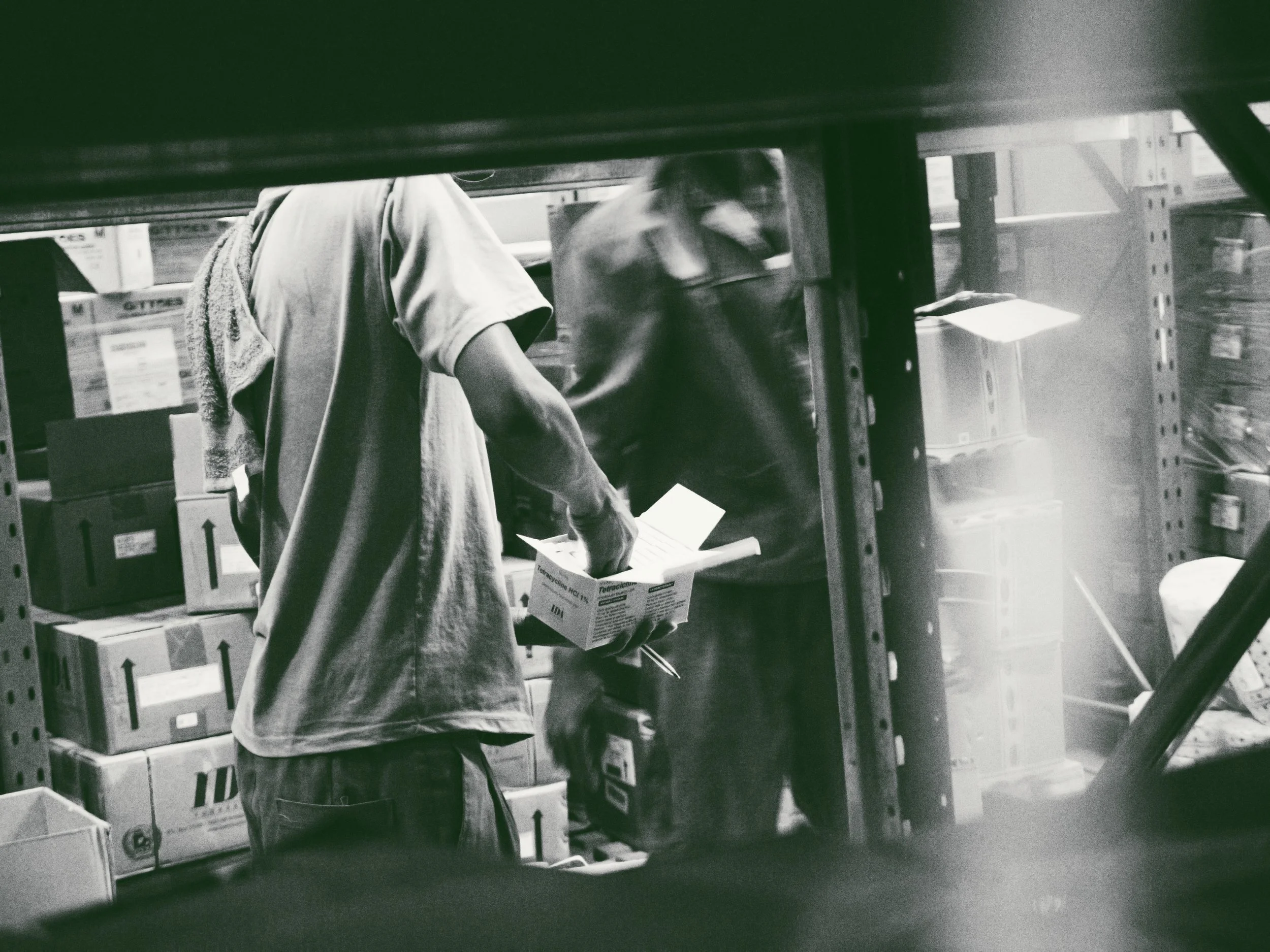
How Do Medical Supplies Reach Disaster Zones?
When disaster strikes, the images that often dominate news coverage are those of collapsed buildings, flooded towns, or displaced families waiting in makeshift shelters. Behind these scenes, however, lies another story that is less visible but no less critical: the race to deliver medical supplies into disaster zones. Without the rapid arrival of bandages, antibiotics, vaccines, surgical kits, clean water, and basic equipment, the consequences of natural and man-made disasters would escalate into even greater humanitarian catastrophes. Getting medical supplies into disaster zones is far from straightforward. It is a complex, high-stakes endeavor that combines logistics, diplomacy, technology, and human resilience, operating under conditions where every hour matters and where the usual systems of commerce and infrastructure have often collapsed. Read more.
-

Extraction Protocols in Hostile Environments: A Behind-the-Scenes Look
Extraction from hostile environments is one of the most complex and high-stakes operations in the world of crisis response. It is a process designed to remove individuals from immediate danger, often against a backdrop of armed conflict, political instability, natural disasters, or criminal threats. For those on the outside, the concept of extraction might conjure up images of helicopters sweeping in under fire or convoys navigating dangerous city streets, but the reality is far more intricate. Read more.
-

Why ISO 31030 Is Changing the Future of Travel Risk Management
ISO 31030 is rapidly becoming one of the most significant developments in the field of travel risk management, offering a comprehensive framework for how organizations should protect their travelers in an increasingly unpredictable world. Read more.